Why it takes this long

Embra started as an argument about whether a soft drink could be worth drinking slowly. The answer, we decided, depended entirely on how much time you were prepared to lose. Industrial production compresses fruit into concentrate and then rebuilds the flavour with acid and aroma; we do the opposite, taking a very small amount of very ripe fruit and giving it months to work out what it wants to be.
Everything is pressed by hand on a small basket press. The juice goes into open vessels with a house culture we have kept alive since the first winter, and the room does the rest. Wild fermentation is not tidy: batches diverge, one tank turns savoury while its neighbour stays floral, and the schedule follows the harvest rather than the calendar.
Fermentation is halted early, which leaves every bottle under 0.5% ABV — the same range as a ripe kombucha. That decision costs us stability, so each batch is pasteurised gently at the last moment and then left alone. We add no preservatives, no colouring and no concentrate, which is why the colour of a case shifts from one delivery to the next.
Waste is designed out rather than offset. Pressed pulp goes to a bakery two streets away, spent kombu is dried and reused as a stock base by a restaurant we supply, and the pulp packaging is made from recycled paper within the Netherlands. The bottles are heavy on purpose: they come back, they get washed, and they go out again.
01 / 04 — Act I
FRUIT
We buy the fruit nobody photographs: split tomatoes, bruised pears, peaches one day past their best. Twice a week a van comes back from the growers around Barendrecht with crates that would otherwise be composted. Ripeness is the only specification we hold to, and it is not negotiable — under-ripe fruit gives you acid without body, and no amount of time in the tank will put the flavour back.

02 / 04 — Act II
INFUSION
Herbs, kombu and spice steep cold or at 60°C, never hotter. Heat gives you speed and takes your colour, and we would rather wait a day than lose the pigment that makes a batch worth painting. Thyme goes in whole with the stalk; kombu sits for six hours and comes out heavy; ginger and pepper are added at the very end so their heat stays sharp rather than stewed.

Wall note
The painting comes first
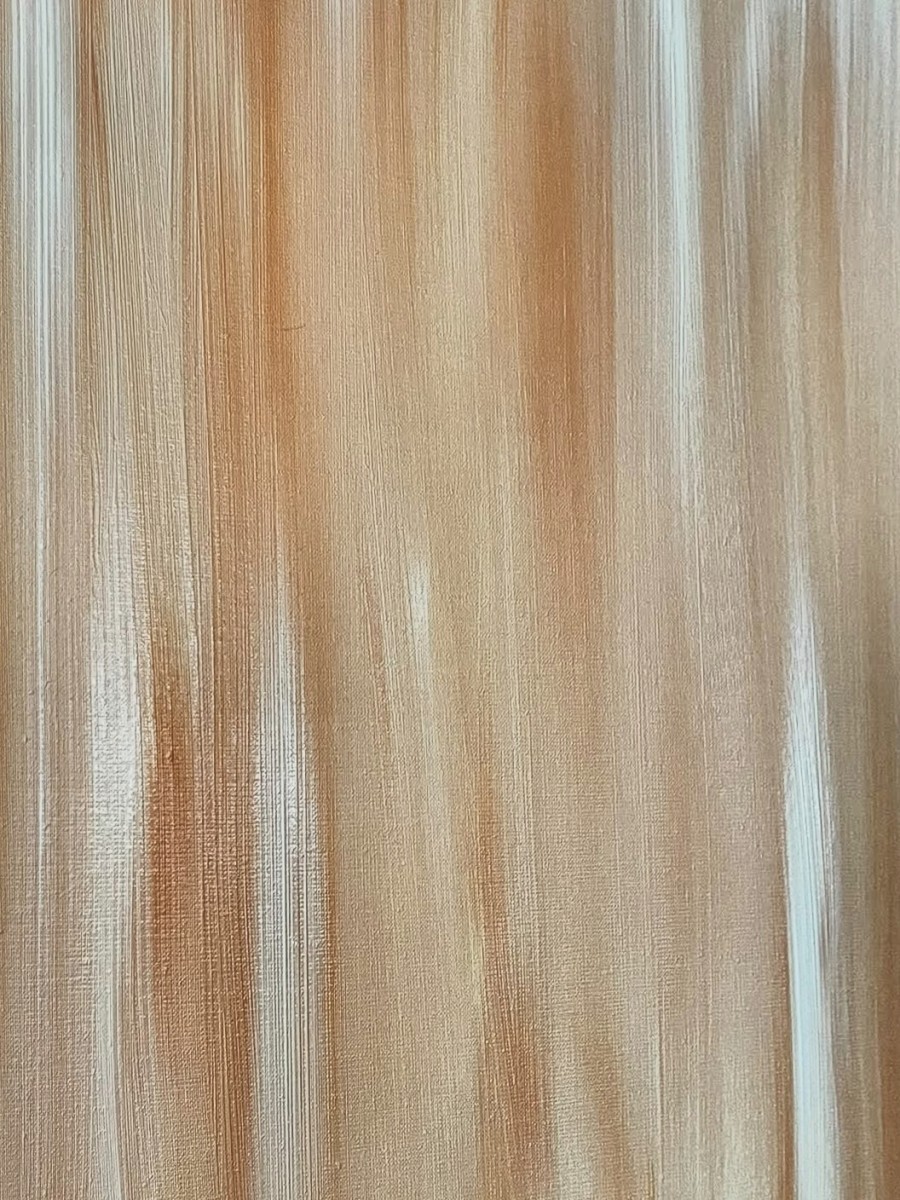
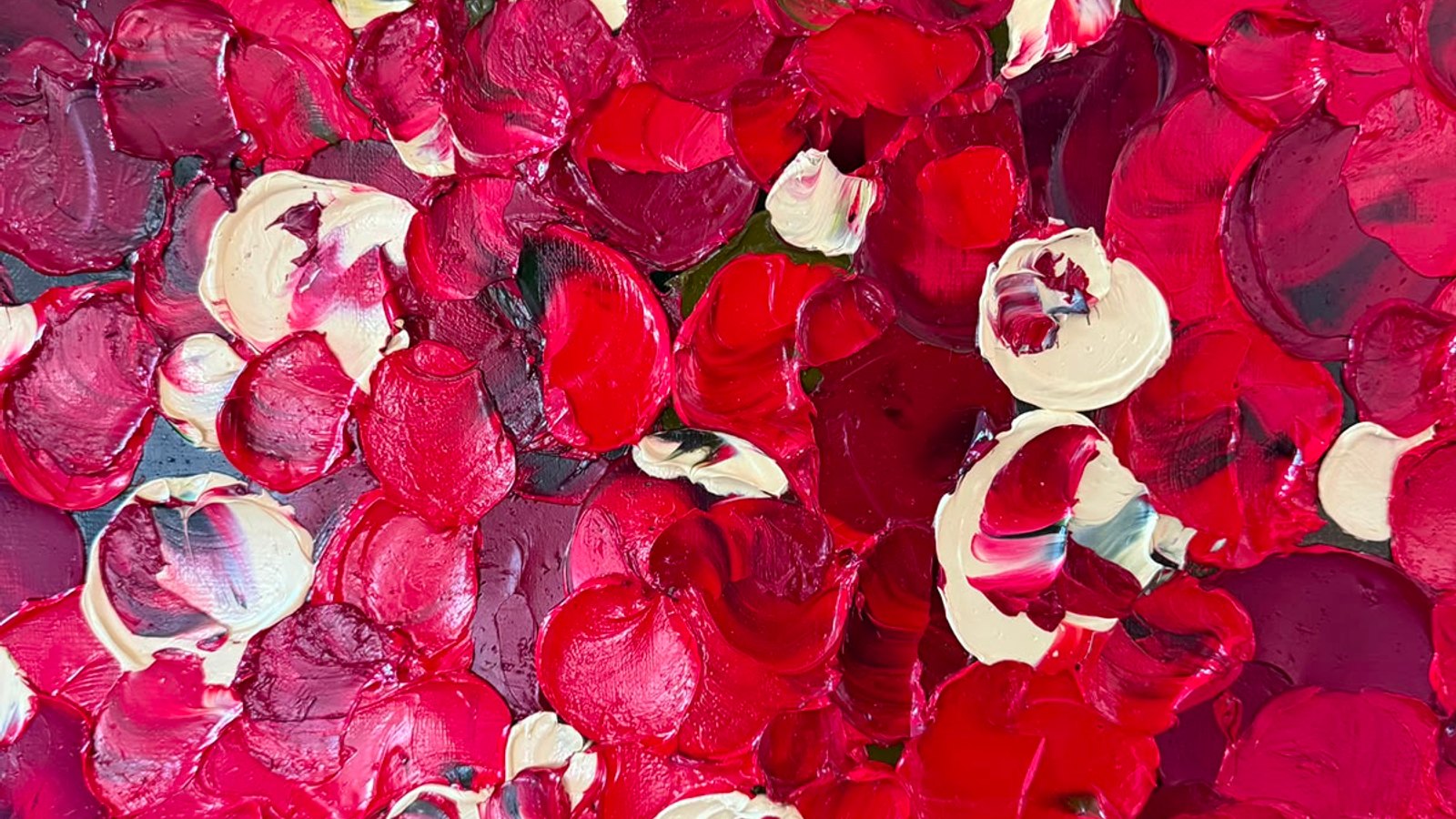
Before a batch is brewed, someone in the studio paints the flavour we are chasing — peach on petrol, bronze over earth, crimson dragged through forest green. If the brew doesn't arrive somewhere near the painting after three weeks, the batch is blended away and we start again with the next crate of fruit.
03 / 04 — Act III
TIME
Fourteen to twenty-one days with a live culture in open oak, in a room we keep at 18°C with the windows shut against the harbour air. The tank is tasted every morning by whoever arrives first, and the notes go on the wall in pencil. A batch is finished when it stops changing our minds — not on a date we set in advance. Roughly one run in eight never makes it to a bottle.

04 / 04 — Act IV
BOTTLE
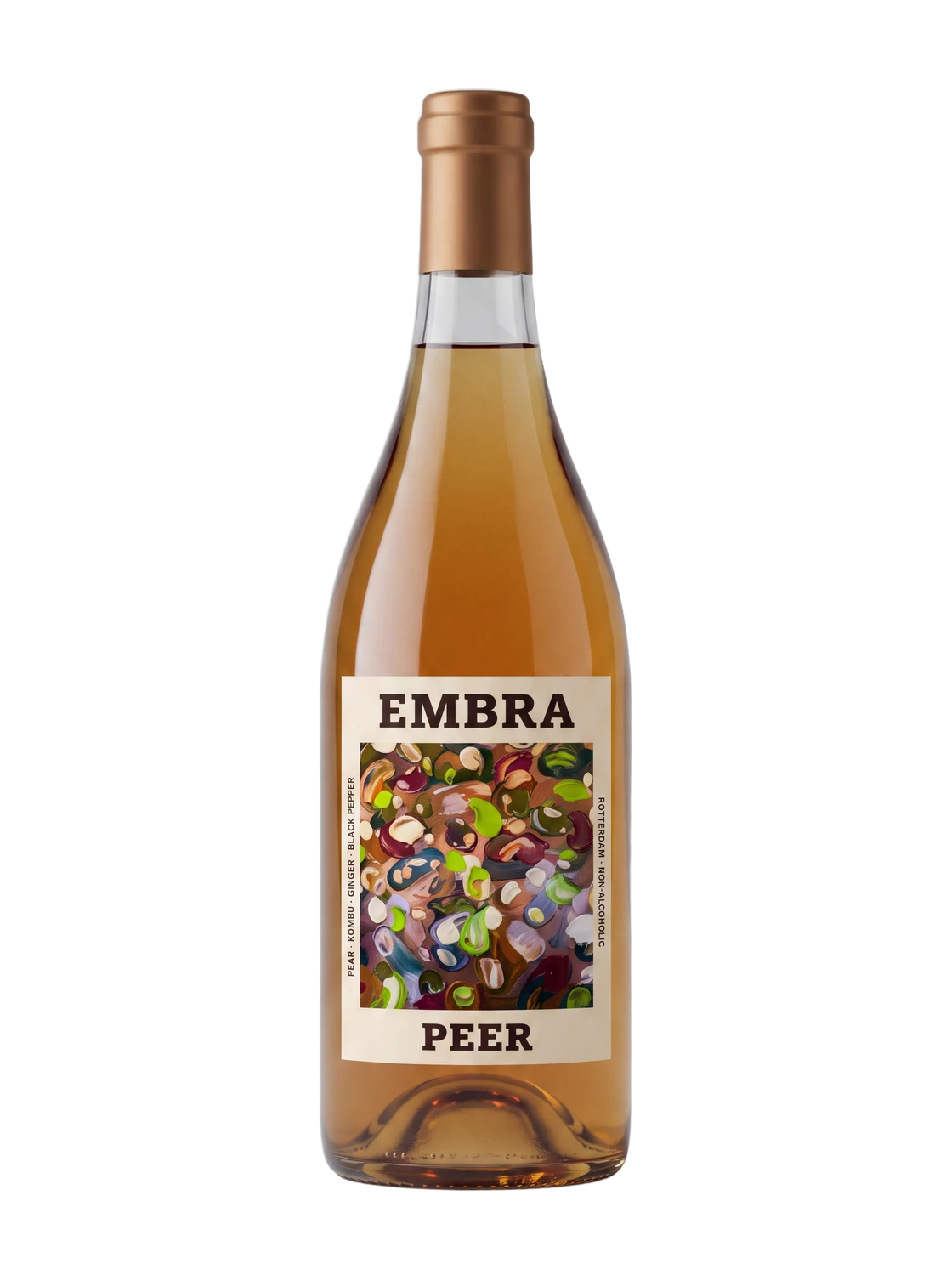
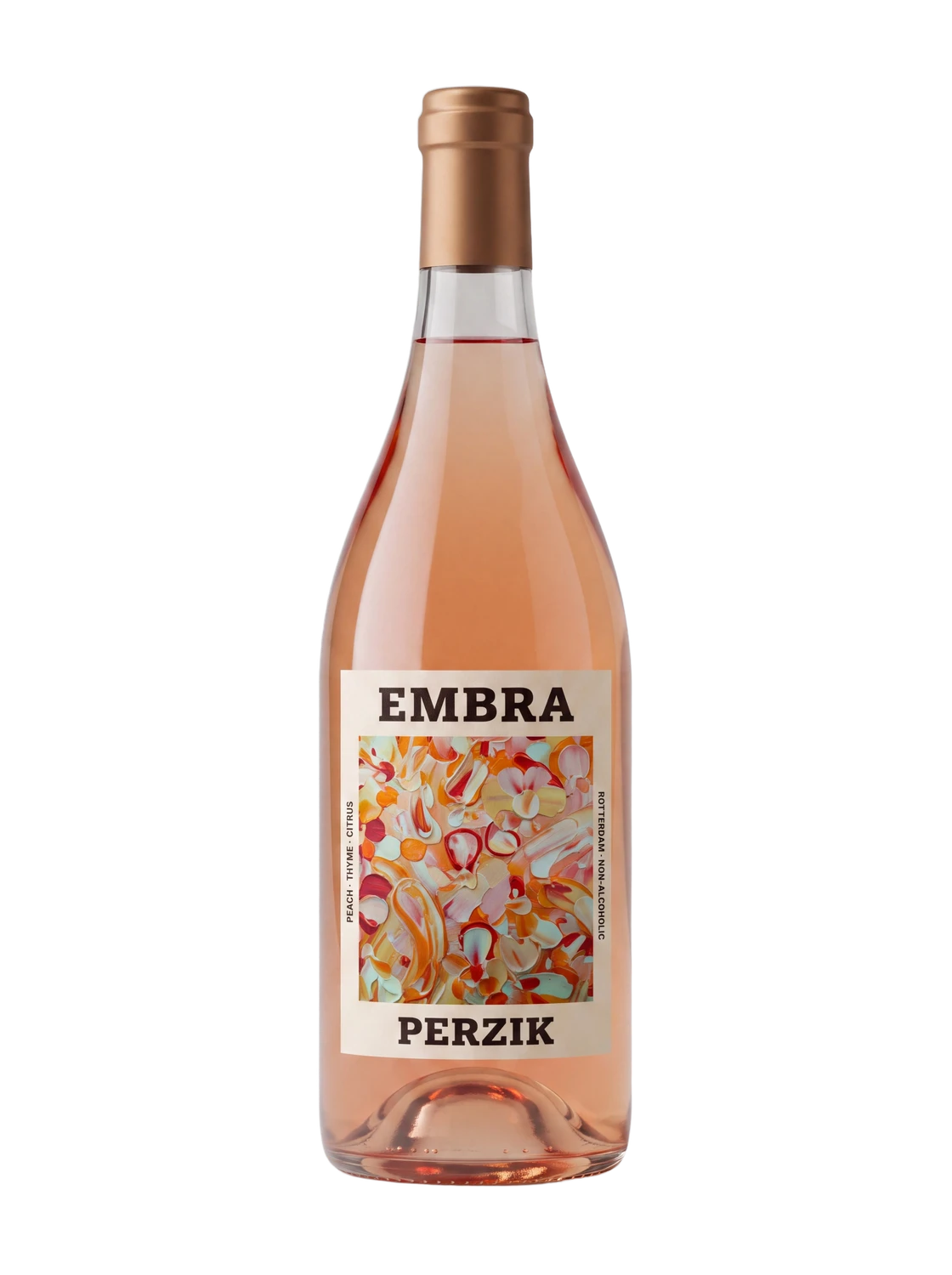
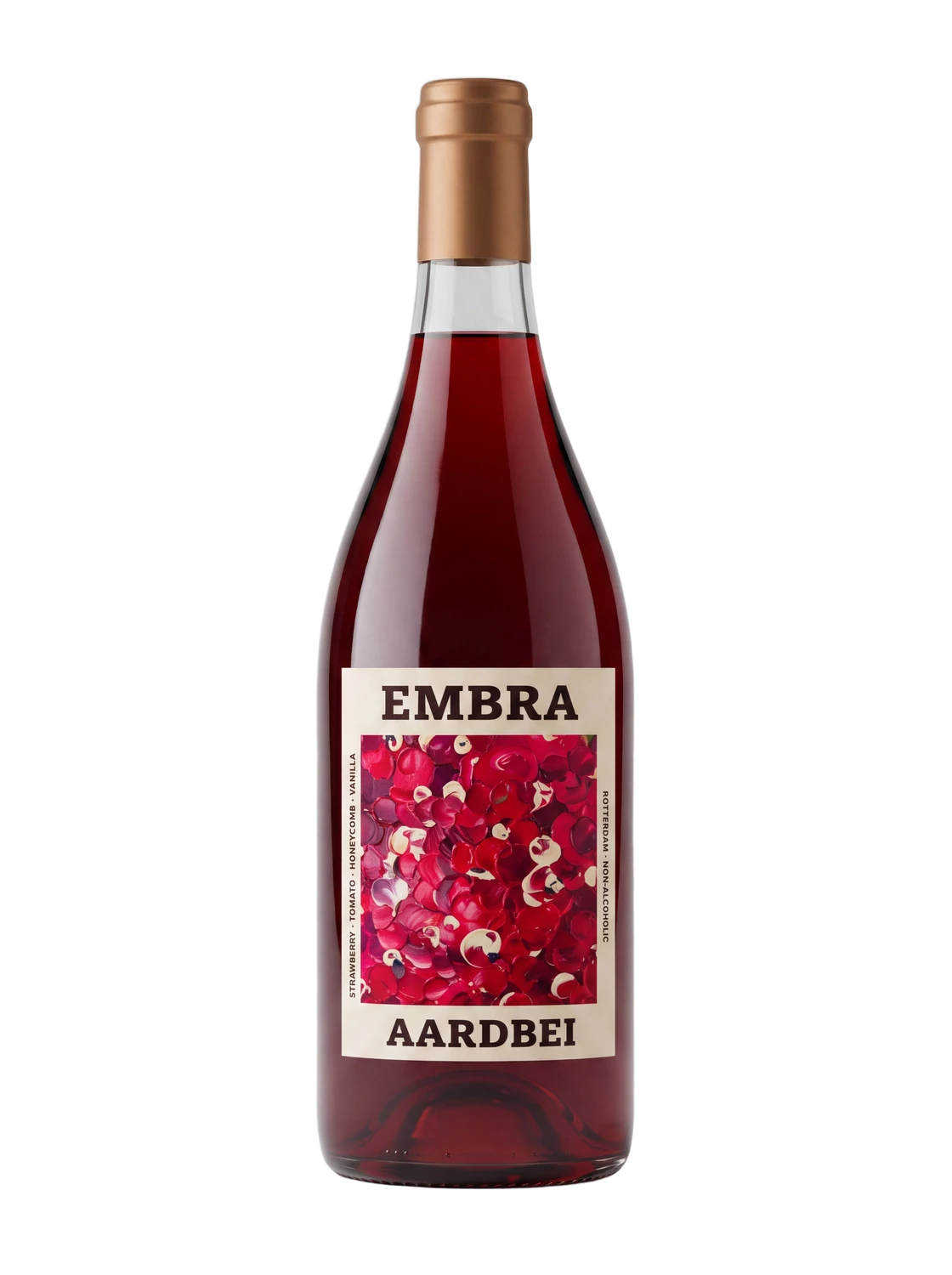
Filled and labelled by four people on the Maashaven, four hundred bottles at a time. Each label is printed from the original painting made for that batch, scanned flat at the studio next door, so no two runs match exactly and the colour drifts across the year. Bottles are crown-capped cold, rested for a week, then packed in moulded pulp with no plastic anywhere in the box.

The three works